AI Brief
- The International Court of Justice ruled that Myanmar committed genocide against the Rohingya in 2017, ordering reparations and safe return for refugees.
- This is the first time the ICJ found a state directly responsible for genocide, setting a significant precedent under the Genocide Convention.
- The ruling's impact depends on the response of major powers and ASEAN, as the ICJ lacks enforcement mechanisms to compel Myanmar's compliance.
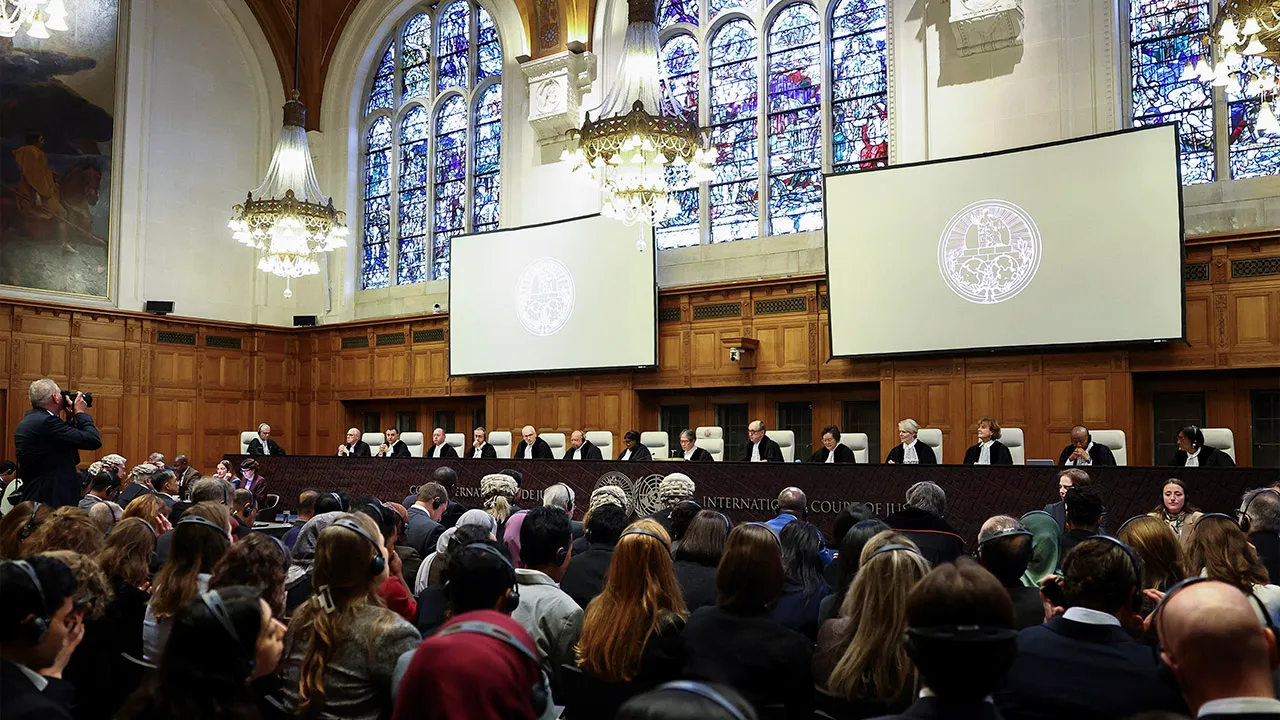
THE International Court of Justice’s (ICJ) ruling that Myanmar committed genocide against the Rohingya is a watershed moment in international justice. It is not merely a judgment about Myanmar’s conduct in Rakhine State in 2017. Rather, it sets a powerful precedent for other states facing genocide allegations, including the case brought by South Africa against Israel.
The court found that Myanmar’s 2017 “clearance operations” against the Rohingya constituted genocide. It was never simply a failure to prevent it. It concluded that the scale, targeting and lethality of attacks on Rohingya villages supported an inference that Myanmar acted with the special intent required under the Genocide Convention: the intent to destroy a protected group, in whole or in part.
What the ICJ ordered?
The ICJ ordered Myanmar to provide reparations and compensation to victims. It also required Myanmar to create conditions for the safe and dignified return of Rohingya refugees, restore Rohingya citizenship status, and investigate and prosecute those responsible for the atrocities.
These remedies matter because the ICJ is a court for disputes between states, not a criminal court. It cannot itself imprison military leaders or enforce its orders through police action. But its judgment can create legal obligations, strengthen diplomatic pressure and provide a basis for other states and international institutions to act.
A precedent for other cases
The ruling is especially important because Myanmar is reportedly the first state found by the ICJ to have committed genocide, rather than merely violated its duty to prevent genocide. That makes the decision a major precedent for the interpretation and enforcement of the 1948 Genocide Convention. It also confirms that any state party to the Genocide Convention may bring a case against another state party, even where it has no direct territorial or national interest in the conflict. This principle, known as erga omnes partes, was central to The Gambia’s ability to sue Myanmar.
For the South Africa v. Israel case, the Myanmar judgment does not decide the outcome. But it may make it harder for the ICJ to dismiss allegations of genocidal intent where evidence shows a pattern of mass killing, destruction, displacement and dehumanising rhetoric. The ruling therefore keeps that case legally and politically alive.
Myanmar’s reaction will depend on great powers
Myanmar’s response will depend less on the legal force of the ICJ judgment than on how the world’s major powers choose to treat it. If the United States, China, India, Japan, the European Union, ASEAN members and other influential states publicly accept the verdict and impose meaningful consequences, Myanmar’s military government may face real pressure to comply. Those consequences could include targeted sanctions on military leaders and state-linked companies, restrictions on arms and dual-use technology, limits on financial transactions, suspension of security cooperation, and conditions attached to trade or investment.
But if powerful states treat the ruling as politically inconvenient, Myanmar is likely to resist. Its junta could dismiss the judgment as illegitimate, foreign interference or a politically motivated attack on national sovereignty. It could refuse reparations, block Rohingya return, continue citizenship discrimination and avoid credible investigations into military commanders.
China’s position will be particularly consequential. As Myanmar’s largest neighbour, a major investor and a permanent member of the UN Security Council, China can either use its influence to press Myanmar toward compliance or shield the junta from international isolation. Likewise, the United States and European states can determine whether sanctions and diplomatic pressure become coordinated and meaningful, or remain symbolic.
ASEAN’s response also matters. Myanmar’s neighbours have often favoured dialogue and non-interference over coercive measures. If ASEAN treats the ruling as a regional crisis requiring a coordinated response, Myanmar may face greater pressure. If ASEAN remains divided, the junta may calculate that it can wait out international criticism.
The enforcement problem
The central weakness of the ruling is enforcement. The ICJ can declare Myanmar responsible and order remedies, but it cannot compel Myanmar’s military government to implement them. That means the verdict’s real effect will be determined by political will. If other states impose costs for non-compliance, Myanmar may have to negotiate over reparations, refugee return, citizenship and accountability. If they do not, the ruling may become a powerful moral and legal statement—but one that the junta can ignore in practice.
The Myanmar case therefore tests whether international law can move beyond condemnation. Its legacy will depend not only on what the ICJ said, but on whether major powers are willing to make non-compliance costly.
Phar Kim Beng, PhD, is Professor of ASEAN Studies and Director of the Institute of Internationaliation and ASEAN Studies (IINTAS) at the International Islamic University Malaysia.
Shahiran Kamaruzaman is an Independent Legal Researcher.
** The views and opinions expressed in this article are those of the author(s) and do not necessarily reflect the position of Astro AWANI.