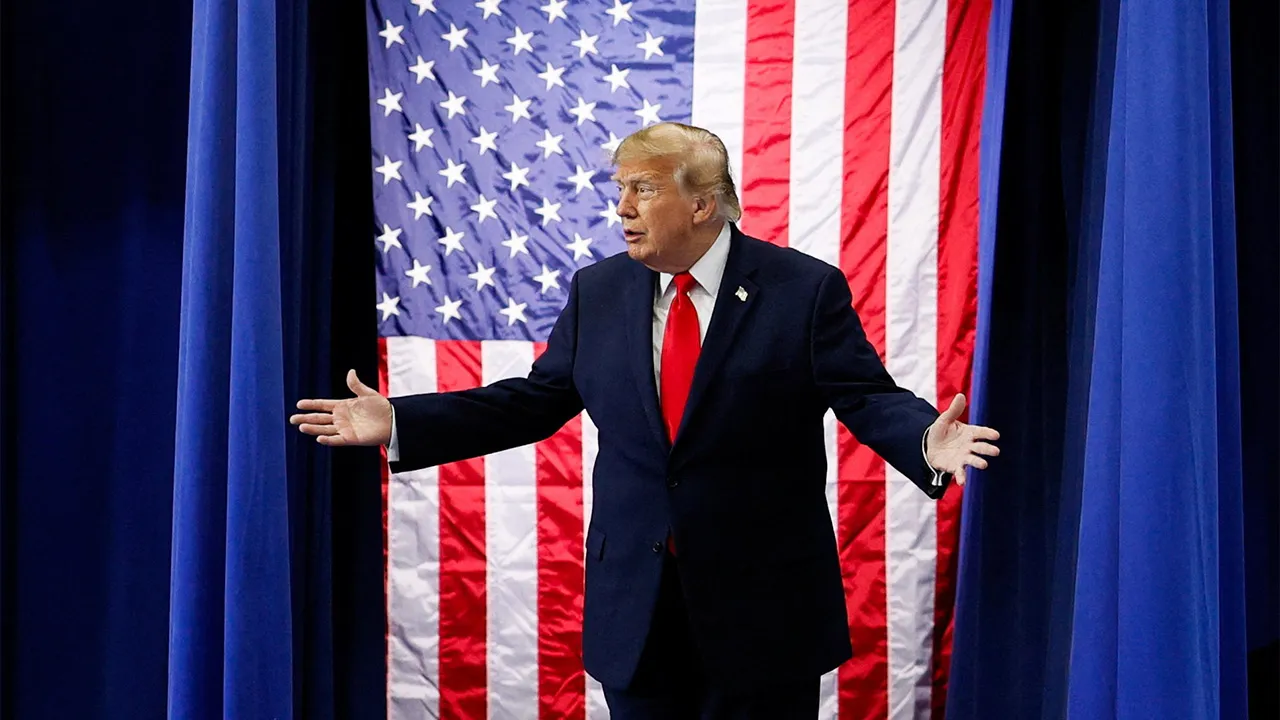

United States President Donald Trump’s tariff policy has unfolded through a series of dramatic episodes that rattled the global trading system. The turning point came on what the administration called “Liberation Day” on 2 April 2025, when sweeping reciprocal tariffs were unveiled against a wide range of trading partners. The announcement stunned markets and governments alike.
Just seven days later, implementation was abruptly paused, giving affected countries a 90-day window to negotiate trade arrangements with Washington. At the same time, the administration threatened to escalate tariffs on Chinese imports to 125 per cent from 104 per cent, pushing total additional duties on some goods to as high as 145 per cent. Even before Liberation Day, tariffs of 25 per cent on goods from Mexico and Canada had already taken effect in March 2025.
Global markets reacted with predictable shock and volatility. A flurry of negotiations followed as governments sought exemptions or temporary arrangements. Tariff rates gradually tapered as sector-specific adjustments and provisional deals were introduced. Yet economists have consistently argued that tariffs are a blunt and often counterproductive tool for addressing trade imbalances. Higher tariffs disrupt production chains, restrict market access and distort prices across global supply networks.
The logic behind Trump’s tariff policy is straightforward: reducing trade deficits and advancing the political promise of “Making America Great Again.” Some domestic industries welcomed the move. American steel producers such as Nucor and Steel Dynamics benefited from higher import levies that strengthened their pricing power. Certain investment groups, including Blackstone, also supported policies aimed at reviving domestic manufacturing. Major pharmaceutical companies such as Pfizer, Eli Lilly, and Merck & Co., as well as technology and industrial players including Apple, Tesla and Advanced Micro Devices, were among companies positioned to benefit from policies encouraging domestic investment and supply chain relocation.
However, the broader economic picture is less favourable for most Americans. The cost of tariffs is largely borne domestically. Research by Gita Gopinath of Harvard University and Brent Neiman of the University of Chicago Booth School of Business suggests that importing companies typically pass tariff costs on to consumers. In effect, tariffs function much like a tax, raising prices and increasing pressure on household spending.
Not only that, the policy has also not reduced America’s trade deficit. The overall US trade deficit stood at $901.5bn last year, little changed from $903.5bn in 2024. The policy did succeed in reducing the US trade deficit with China by roughly 30 per cent to $202.1bn. Yet this shift does not eliminate America’s reliance on Chinese imports, particularly in manufacturing supply chains where Chinese inputs remain deeply embedded.
The most significant turning point came when the Supreme Court of the United States struck down the administration’s reciprocal tariff regime imposed under the International Emergency Economic Powers Act. Courts rarely overturn tariff measures, but in this case the justices ruled that the sweeping tariffs exceeded the authority granted under the statute. Tariffs on steel, aluminium and automobiles, introduced through other legal mechanisms, were left untouched.
The ruling infuriated Trump, who quickly signalled that alternative legal pathways remained available. “We have alternatives — great alternatives — and they will be a lot stronger,” the president declared. Shortly after the court decision, the administration introduced a 10 per cent global tariff under Section 122 of the Trade Act of 1974, before rapidly raising it to 15 per cent. The provision, rarely used in modern trade policy, allows temporary tariffs for up to 150 days without congressional approval.
Beyond Section 122, the administration could still pursue tariffs through other statutory routes. These include Section 301 of the Trade Act of 1974, which targets unfair trade practices, and Section 232 of the Trade Expansion Act of 1962, which permits tariffs on imports deemed to threaten national security. Both mechanisms, however, require investigations and formal procedures before tariffs can be implemented.
With tariffs imposed under the emergency powers now nullified, a key question arises: what becomes of the various “trade deals” negotiated during the tariff crisis? In many cases, arrangements appear to remain intact under informal understandings while governments wait to see how Washington recalibrates its policy.
Malaysia offers a useful case study. Kuala Lumpur and Washington reached an understanding under the Agreement of Reciprocal Tariffs (ART) framework, although the agreement has yet to be fully operationalised. The arrangement is politically binding rather than statutory, leaving room for continued negotiation and adjustment.
During the initial phase of tariff escalation, Malaysia faced potential tariff exposure of up to 47 per cent. Through negotiations, the rate was reduced to 24 per cent, before the ART framework eventually lowered it further to 19 per cent. The agreement also granted zero-tariff treatment to 1,711 Malaysian products, including goods in electronics, rubber and palm-oil derivatives.
For policymakers in Kuala Lumpur, the ART arrangement has been viewed as a necessary economic stabiliser. Officials estimate that the framework helped avert potential export losses of up to RM15bn while restoring a degree of predictability for exporters. Yet some analysts note that the actual value of goods receiving zero-tariff treatment may amount to only about RM4.4bn, roughly 2.4 per cent of Malaysia’s exports to the US. Many of these products are not among Malaysia’s primary export categories, particularly in electrical and electronic goods or semiconductors.
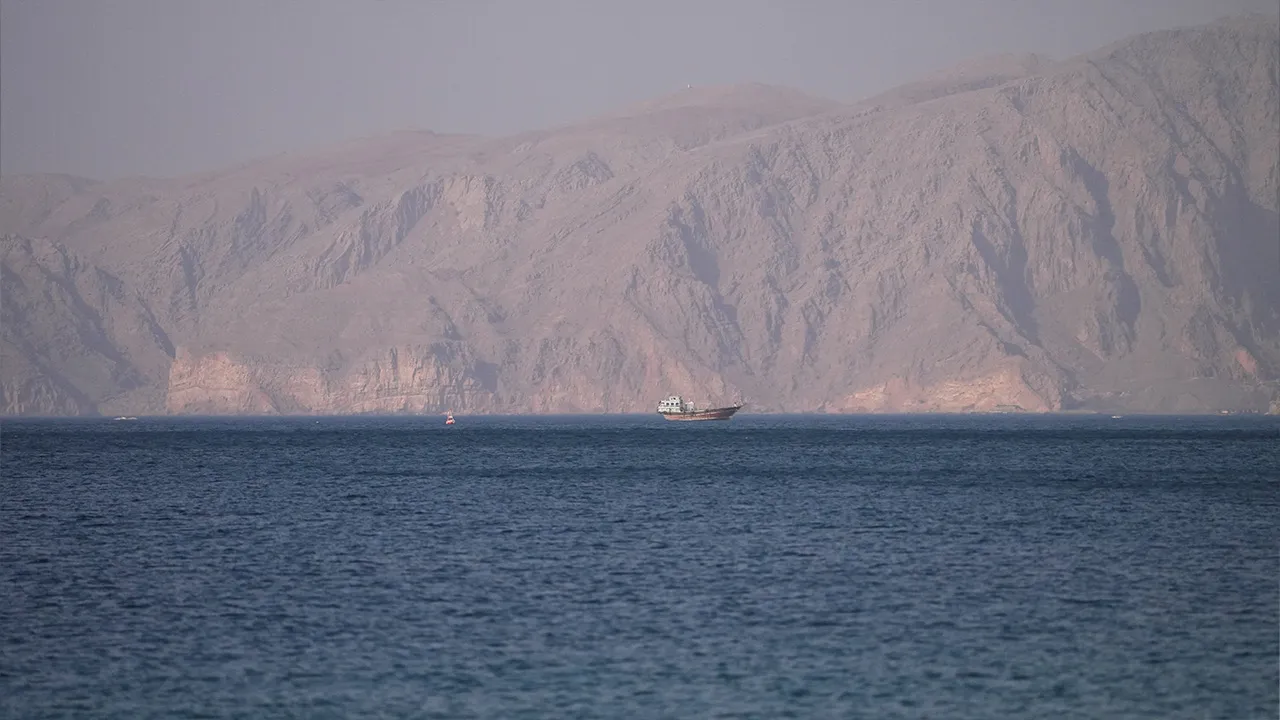
The broader environment remains highly uncertain. Global trade volatility has intensified amid geopolitical tensions, including the US-backed Israel–Iran conflict. In such circumstances, even a limited framework like ART offers Malaysia some measure of stability, particularly given that the United States is the country’s third-largest trading partner. Bilateral trade reached roughly RM367bn in 2025, representing growth of about 13 per cent.
The tariff crisis now points to two possible scenarios. Trump could return with an even more aggressive tariff regime using alternative presidential authorities. Alternatively, the administration may be forced to operate within tighter legal limits following the Supreme Court ruling. Either outcome underscores how fluid US trade policy has become.
For Malaysia, this moment presents an opportunity as well as a challenge. Policymakers may seek to renegotiate aspects of the ART framework to better safeguard export interests while the terms remain flexible.
More broadly, the episode reflects a deeper shift in the global economic order. The United States is signalling that domestic economic priorities increasingly take precedence over the interdependence that defined globalisation for much of the late 20th and early 21st centuries. China, Washington’s principal strategic rival, appears to be moving in a similar direction. At the recent National People's Congress, President Xi Jinping reiterated Beijing’s commitment to technological self-sufficiency and stronger domestic innovation capabilities.
In different ways, the world’s two largest economies are embracing policies that prioritise resilience and self-reliance.
For Malaysia, the lesson is clear. Strengthening the domestic economic base must become a national priority. Moving up the value chain, increasing economic complexity and investing more aggressively in human capital and innovation-driven industries will be essential.
Ultimately, political stability, coherent economic policy and effective implementation remain the foundations of long-term competitiveness in an increasingly fragmented global economy.
Associate Professor Dr. Firdausi Suffian is a Political Economist at UiTM Sabah, External Advisory Board at University of Nottingham Malaysia & University of Sultan Azlan Shah and Former CEO Invest Sabah Berhad.
** The views and opinions expressed in this article are those of the author(s) and do not necessarily reflect the position of Astro AWANI.